Koh Samui weather in July: 32.3°C highs, 29.5°C sea, 115 mm of rain over 11 days. Drier than Phuket, but busy with European school holidays.
Is July a Good Time to Visit Koh Samui?
Yes, but go in knowing the trade-off. Koh Samui weather in July is warm and moderately wet: July is one of Koh Samui’s busiest months, not one of its best-weather months. Daytime highs average 32.3°C, rain totals a modest 115 mm across 11 days, and the sea sits at a bath-warm 29.5°C: solid, unremarkable, mid-table numbers. What actually defines July is European and UK school-holiday travel filling rooms and boats, so the honest pitch is warm water and reliably swimmable beaches at peak-season prices, not a guaranteed run of blue-sky days.
Key takeaways
- 115 mm of rain over 11 days is genuinely light: under a third of November’s 445 mm; July is not part of Samui’s real wet season
- Sun averages 5.0 hours a day, the annual floor shared with June, August and September: expect a mixed sky, not wall-to-wall sun
- The southwest monsoon pushes wind onto the west coast, so the east coast (Chaweng, Lamai, Bophut) usually holds the calmer water
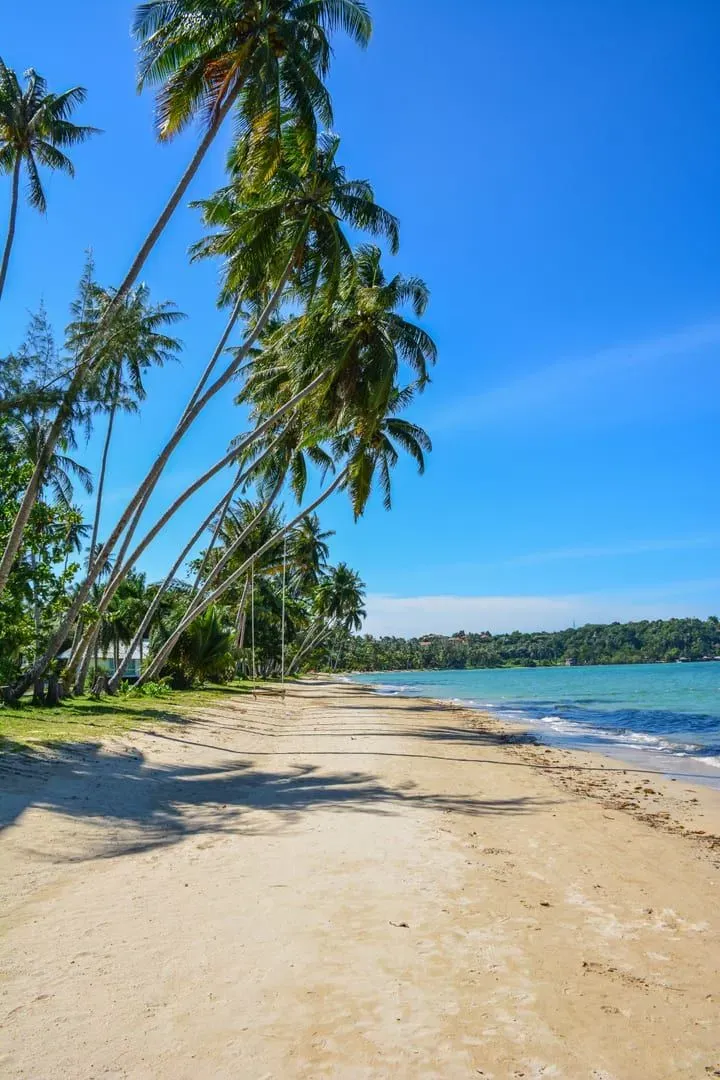
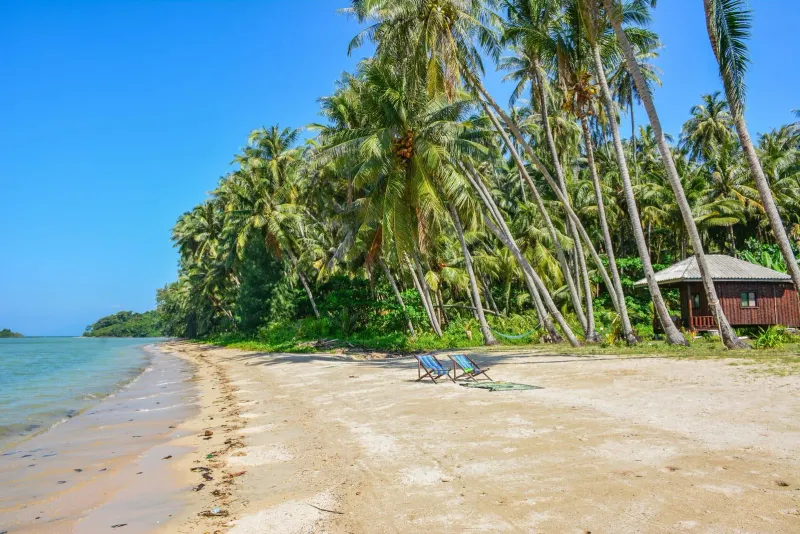
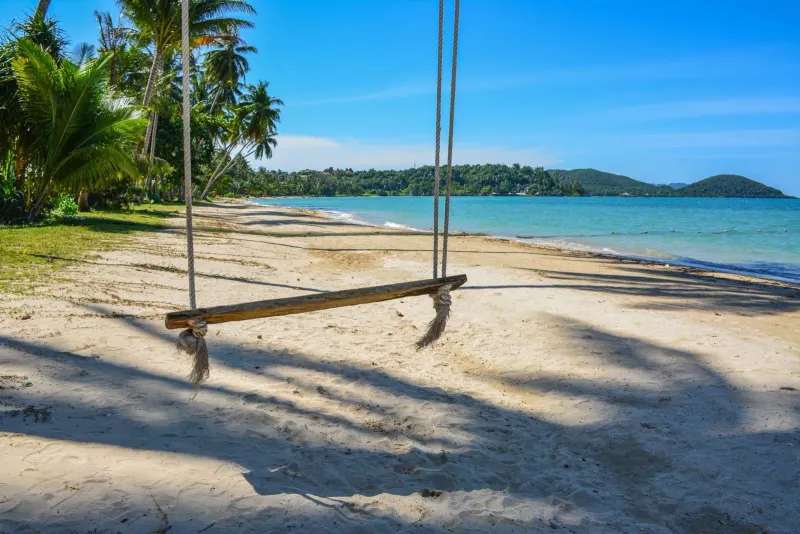
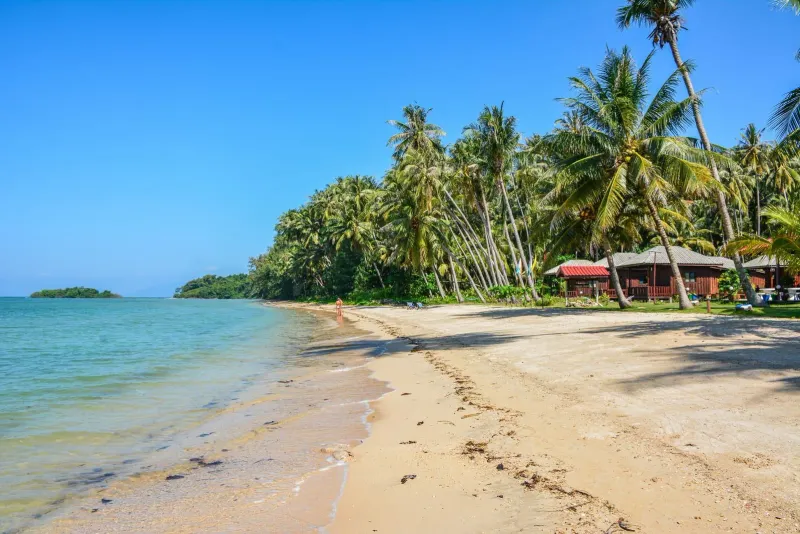
- Sea temperature (29.5°C) is excellent for swimming and snorkeling on calm days
- European school-holiday demand makes July one of the months where good beachfront hotels and Ang Thong boat tours genuinely sell out: book ahead
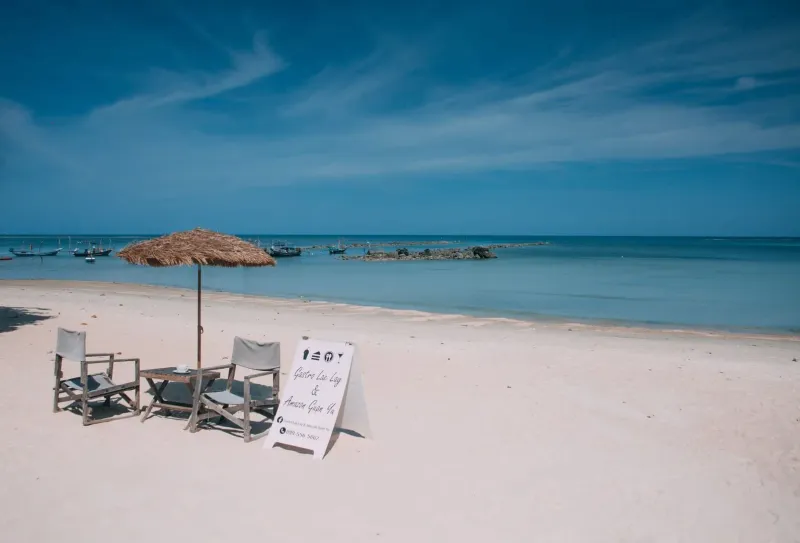
Koh Samui Weather in July: The Numbers
July’s climate normals sit squarely between June and August: 25.1-32.3°C, 115 mm of rain, 11 rain days, 5.0 sun hours a day and a 29.5°C sea, per this site’s best time to visit 1991-2020 climate data, cross-checked against Climates to Travel and the Thai Meteorological Department (checked Sep 2026).
| Month | Low / High | Rainfall | Rain days | Sea temp |
|---|---|---|---|---|
| June | 25.5-32.7°C | 135 mm | 10 | 30.0°C |
| July | 25.1-32.3°C | 115 mm | 11 | 29.5°C |
| August | 25.0-32.4°C | 100 mm | 10 | 29.5°C |
| November (wettest, for contrast) | 24.1-29.7°C | 445 mm | 16 | 29.0°C |
The odd detail is rain days: July gets more of them (11) than June or August (10 each), despite less total rainfall than June. Read that as more frequent, shorter showers rather than fewer, heavier ones: a pattern of brief afternoon interruptions, not lost days. Set against November, the real wet-season peak covered in this site’s rainy season guide, July’s 115 mm barely registers; anyone who thinks “Thailand rainy season” rules out a July trip to Samui is applying the wrong island’s calendar.
What Is the Temperature in Koh Samui in July?
Daytime highs average 32.3°C and nights hold at 25.1°C, so July is hot all day and warm all night. The sea sits at 29.5°C on every coast. Forecast sites quote 28-32°C for daytime, the same heat seen from another angle rather than a different climate. Sun averages 5.0 hours a day, against 7.5 in February, so clouds build in most afternoons. June runs half a degree hotter at 32.7°C and August is almost identical at 32.4°C.
Koh Samui July Rain: What a Rain Day Looks Like
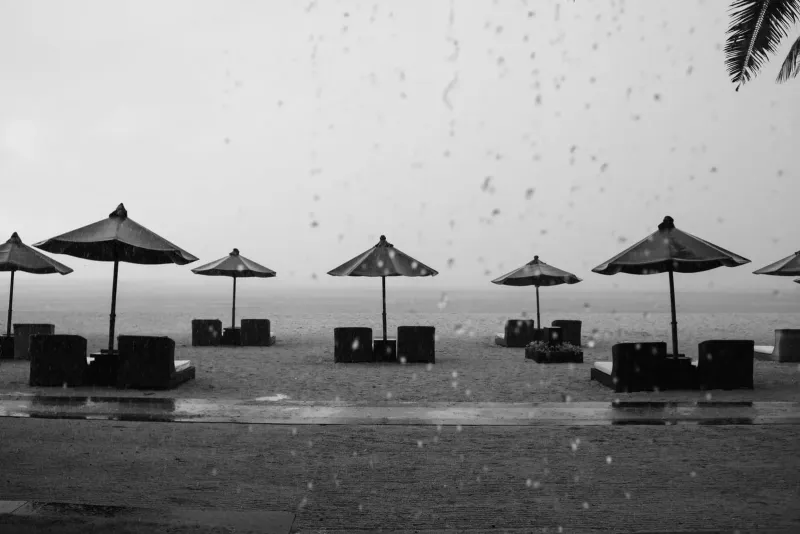
July’s 11 rain days mostly arrive as short afternoon showers, not all-day drizzle, so a fully rained-out day is unusual. The typical pattern is a bright or partly cloudy morning, cloud building from midday, and a heavy downpour of 20-40 minutes before skies open up again toward evening. A few days can turn grey and showery from morning, so keep one flexible day in a week-long stay. Put boat trips, beach time and hikes in the morning and treat early-to-mid afternoon as the slot most likely to lose an hour. The rainy day plan lists what to do when it does set in.
Is Thailand Too Rainy in July? Samui vs Phuket
Not on Koh Samui. The island is on the Gulf of Thailand side, out of reach of the southwest monsoon that soaks the Andaman coast (Phuket, Krabi) in July. The summer guide puts Samui at roughly 350 mm across June-August against about 725 mm for Phuket over the same three months. Samui’s own wet season runs October-December and peaks in November at 445 mm over 16 days, which makes November, not July, the rainiest month on the island. Travelers comparing islands for July can start with Koh Samui vs Phuket; the wettest months to avoid are covered in the rainy season guide.
Peak Season, Mid-Table Weather: The July Trade-Off
July’s defining fact is timing, not weather: European and UK school summer holidays start filling Koh Samui’s rooms and boats in July, while the island’s own weather numbers are unremarkable compared with the rest of the year. This site’s summer guide covers the June-August season broadly; July specifically is the month that mixes shoulder-season-adjacent rain totals with the first real wave of mid-year crowds, a combination that neither the driest months nor the wettest months produce.
The practical result: expect fuller beaches, busier restaurants and firmer room rates than June, without meaningfully worse weather to show for it. Travelers chasing the best value-to-weather ratio should compare July against the shoulder season windows in late January-February or May-early June, both of which combine similarly dry conditions with thinner crowds and softer prices.
Which Coast Is Calmer: East vs West in July
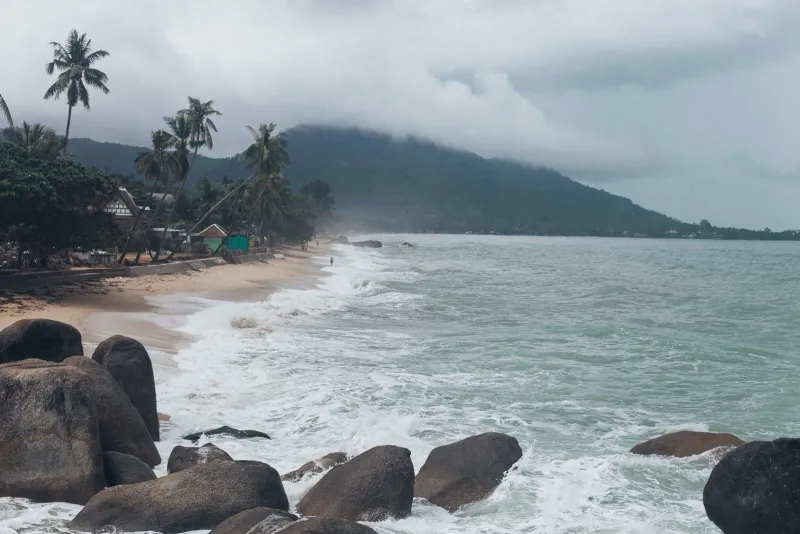
The east coast usually holds the calmer water in July, because the southwest monsoon pushes onshore wind and chop directly onto the island’s west-facing shore. Chaweng, Lamai and Bophut sit in the lee of the island through summer, so swimming conditions there stay closer to flat than choppy on most July days: see this site’s sea conditions by month and east vs west coast guides for the full seasonal breakdown.
The west coast doesn’t lose out entirely, though. Lipa Noi and Taling Ngam trade calm water for the island’s best unobstructed sunsets in July, since they face directly into the evening sun over the Gulf. A west-coast evening followed by an east-coast swim the next morning is a reasonable way to get both.
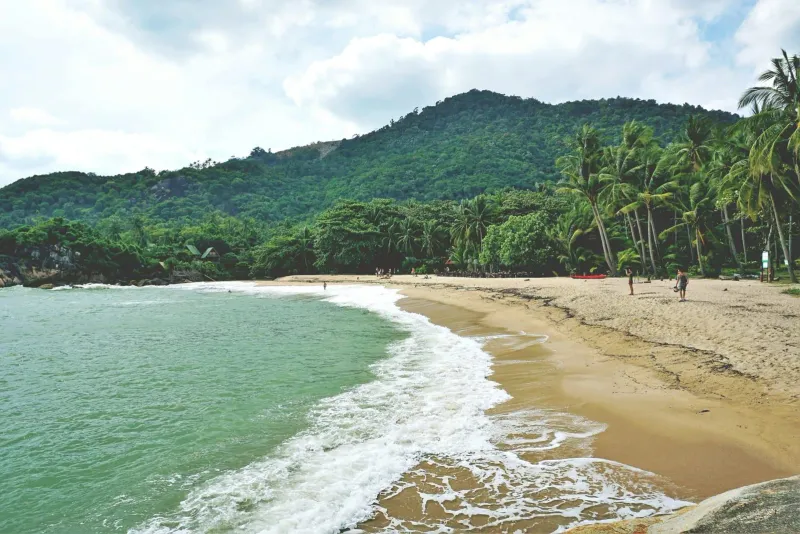
Swimming and Snorkeling in Warm July Seas
The sea holds at 29.5°C in July: bath-warm and excellent for swimming and snorkeling on calm days, matching August and just half a degree below June’s 30.0°C. That warmth doesn’t fully offset wind: on days the southwest monsoon picks up, snorkeling visibility drops with the wave action, especially on exposed west-coast points, so an east-coast morning session is the safer bet for clear water. This site’s snorkeling guide covers site-by-site conditions in more depth.
Box jellyfish risk also sits in its elevated window through July: check posted flags at staffed beaches like Chaweng and Lamai before swimming, and see the jellyfish guide for identification and first-aid basics (vinegar, never fresh water).
Waterfalls and Hiking in July: Flow Is Good, Trails Are Slick
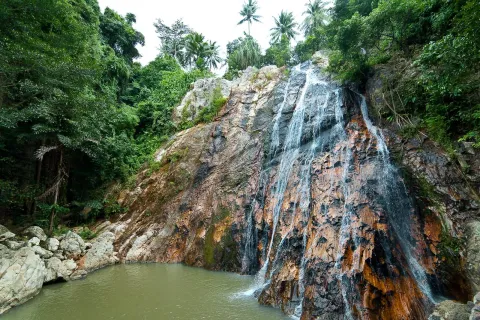
July’s 115 mm of rain keeps Koh Samui’s waterfalls flowing reliably, well short of the muddy peak-flow conditions of the October-November wet season but enough that Na Muang Waterfalls and Hin Lad Waterfall both look their part rather than reducing to a trickle. See the waterfalls and hikes guide for flow notes across every fall on the island.
Hiking is the part July makes harder: humidity is high and afternoon showers turn trail sections slick with little warning. The Na Muang Waterfalls Trail and Hin Lad Waterfall Trail both stay walkable, but starting early (before 9 AM) beats the day’s heat and gets a hike done before any afternoon rain rolls in.
Ang Thong and Day Trips: Book Ahead in July
July is one of the months where boat bookings genuinely need advance planning. Per this site’s when to book guide, Koh Samui ferries need 3-4 weeks’ notice specifically in December-February and July-August, and Ang Thong Marine Park tours book out 15-37 days ahead on average, tighter than the rest of the June-August window because school-holiday families and groups are competing for the same daily departures.
Standard hotel rooms rarely sell out completely, but the specific beachfront property or room type wanted for a July trip fills up first: booking a few weeks ahead protects both the room and the boat slot rather than one or the other.
Prices and Crowds in July
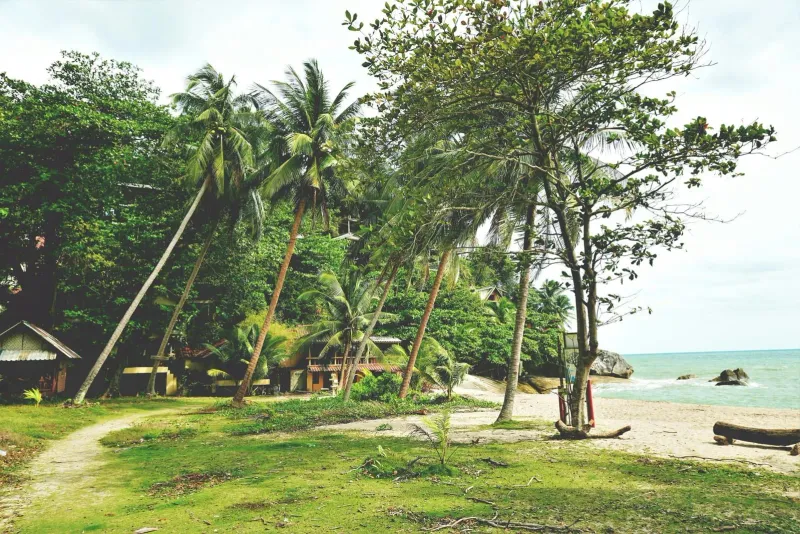
July sits inside Koh Samui’s mid-year mini-peak, rated “medium-high” on this site’s best time to visit crowd and price index: busier and pricier than June, but still well below the December-January high season. The driver is European and UK school summer holidays rather than weather, so expect fuller beaches and firmer room rates from early July onward, tightening further once August’s school break overlaps.
Travelers who want lower prices without July’s crowds should compare the shoulder season guide for quieter, similarly dry alternative windows earlier in the year.
Buddhist Holy Days in July: Alcohol Ban on 29 and 30 July 2026
Two nationwide alcohol-sale ban days fall in July 2026: Asalha Bucha on 29 July and Khao Phansa (the start of the Buddhist rains retreat) on 30 July. Shops and supermarkets stop selling alcohol on those days, while hotels and licensed venues are usually exempt, so buy ahead if you want drinks in a villa. Dates and exemptions are in the alcohol ban days guide; the July Full Moon Party on Koh Phangan has its own date.
What to Pack for Koh Samui in July
Pack light, breathable clothing and reef-safe sunscreen for daily use, plus a compact rain jacket or packable poncho for the odd afternoon shower: a full waterproof shell is overkill for July’s short bursts. Sturdy sandals help on wet waterfall trails, and a dry bag protects phones and cameras on scooter rides or boat trips. Full seasonal packing detail, including what changes for wetter months, is in this site’s packing list guide.

FAQ
Is July a good time to go to Koh Samui?
Yes, for travelers who prioritize warm water and reliable swimming over guaranteed sun or the thinnest crowds. Weather is mid-table (32.3°C highs, 115 mm rain over 11 days, 29.5°C sea) while European and UK school-holiday travel pushes July into one of the busier, pricier months. It suits families and beach-focused trips more than travelers chasing empty beaches or bargain rates.
Does it rain a lot in Koh Samui in July?
No. July averages 115 mm of rain across 11 days: light compared with the real wet season, when November alone sees 445 mm. Rain typically arrives as short afternoon showers rather than sustained downpours, and sun still averages 5.0 hours a day.
What is the rainiest month in Koh Samui?
November, with 445 mm over 16 days. July is far lighter at 115 mm over 11 days. The island’s wet season runs October-December, so July is a summer month on the Gulf side even though the Andaman coast (Phuket, Krabi) is in full monsoon. See the rainy season guide for the month-by-month figures.
When is the worst time to visit Koh Samui?
October-November, when rain reaches 295-445 mm a month. July is not among the months to avoid for weather; its drawback is crowds and firmer prices, not rain.
Is July a good month to visit Thailand?
For Koh Samui and the Gulf islands, yes: rain is moderate and the sea is warm. For Phuket, Krabi and the Andaman coast July is monsoon season, with about twice Samui’s rainfall in the June-August window per the summer guide. Pick the Gulf side if July dates are fixed.
Is July part of Koh Samui’s rainy season?
No. Koh Samui’s rainy season proper runs September through December and peaks in November; see the rainy season guide for the full breakdown. July sits in the June-August summer window, which stays comparatively dry all the way through.
Which coast has calmer water on Koh Samui in July?
The east coast (Chaweng, Lamai and Bophut) usually holds calmer water in July, since the southwest monsoon pushes onshore wind and chop onto the west coast instead. West-coast spots like Lipa Noi trade that calm water for better sunset views.
Do I need to book ahead for Koh Samui in July?
Yes, for ferries, Ang Thong tours and the best beachfront hotel rooms. Ferries need 3-4 weeks’ notice in July-August per this site’s when to book guide, and Ang Thong tours book out 15-37 days ahead on average. Standard rooms rarely sell out completely, but the specific property or room type wanted does.
Is the sea safe for swimming in Koh Samui in July?
Generally yes: sea temperature holds at a warm 29.5°C and the east coast stays comparatively calm. The two things worth checking are wind-driven chop on exposed west-coast points and the island’s elevated box jellyfish window; see the jellyfish guide for what to watch for and how to react if stung.
Published Updated Facts checked
About the author
-
 Migues Ferfumoz
Writer, Koh Samui resident since 2019
Freelance writer and Koh Samui resident since 2019. Migues covers local culture, food, and the best off-the-beaten-path destinations on the island.